
A Global Mindset Is More Than Knowing About Other Cultures
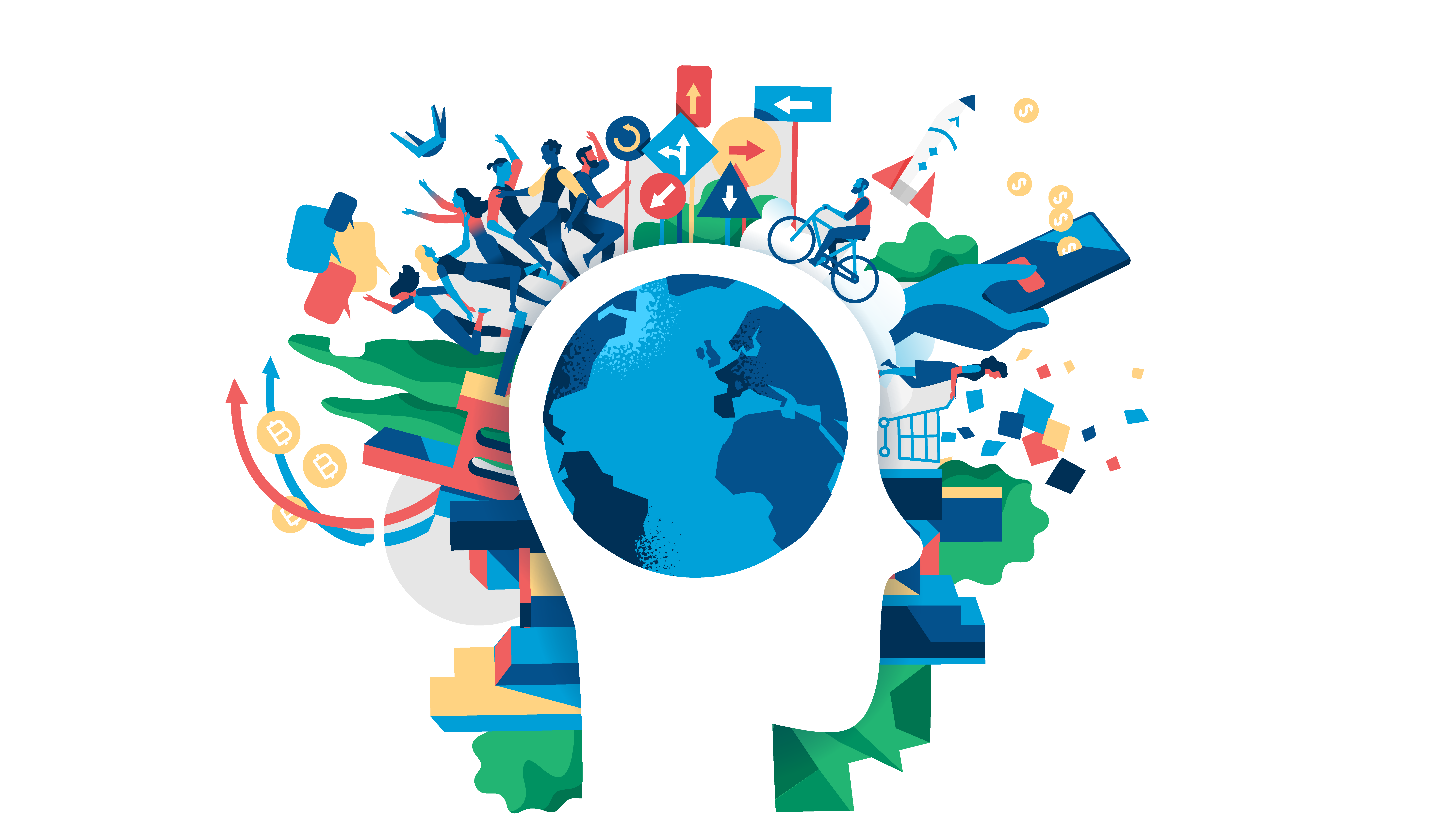
What does it really mean to have a global mindset?
It’s not about how many countries you’ve visited or whether you have a passport. It’s not about specific things like learning a few phrases in another language, trying new foods or being able to define “globalization” in an interview. These are all worthwhile things to do, but they’re not the point.
The Spring 2026 cohort survey results suggest something more interesting: students were beginning to connect what they learned about the world with how they think, communicate and approach problems.
Thirty-five students participated in the Spring 2026 Open Mindset Project cohort. Across the four module surveys, response rates ranged from 96% to 100%. The results show a progression—from understanding the concepts behind global mindset to thinking about how those concepts apply in real life.
From knowing to thinking differently
The learning started with the fundamentals. By the end of Module 1, 100% of respondents said they could define a global mindset and explain why it matters academically, personally and professionally. In Module 2, 100% said they strengthened their understanding of globalization and its real-world impact.
Then the learning became increasingly practical. In Module 3, 100% said they could define culture and distinguish between its explicit and implicit elements, while 96% said they learned practical strategies for intercultural communication, adaptability, networking and global teamwork. By Module 4, 100% said they could identify practical strategies for expanding their global thinking, and 100% said the program helped them think about applying global awareness and human skills to their academic or career goals.
The learning started with the fundamentals, but the comments suggest that students were beginning to connect those concepts to how they see the world.

“It pushed me to think more critically about how I engage with people from different backgrounds and challenged assumptions I didn't realize I had. … It's changed how I approach problems.” — Spring 2026 student
That comment gets at the difference between global awareness and a global mindset. A global mindset isn't simply recognizing that people have different cultures, experiences and perspectives. It also means becoming more aware of our own assumptions and being willing to consider another way of looking at a situation.
The curriculum gives students a framework for thinking about culture, globalization and perspective. The survey results suggest that students were beginning to connect that framework to their own lives. The goal isn't to have all the answers. It is to become more willing to ask questions, consider another perspective and think more critically about how we respond.
Perspective grows through conversation
The Global Gurus add another dimension to that learning. As explored in Story #1, mentors helped students connect course concepts with real-world experiences. In Module 3, 72% of respondents gave the highest possible rating to the statement that their mentor deepened their understanding of globalization or global mindset. By Module 4, 87.5% gave the highest rating for their mentor's ability to connect course content to real-world professional experiences.
“My mentor took the time to hear about my experiences and help me reflect on what my strengths are. She gave me a lot of advice that has helped guide me in making decisions towards the career I want.” — Spring 2026 student
Those conversations can give students an opportunity to consider perspectives and experiences beyond their own—and to connect what they're learning to decisions they may face in school, work and life.
The bigger picture
The survey doesn't independently measure whether students' mindsets changed over time. What it does show is a consistent pattern in their responses: students reported learning the concepts, developing practical strategies and thinking about how to apply global awareness and human skills.
And their comments suggest that, for some students, the experience went beyond learning about the world. It encouraged them to think about how they see it.
A global mindset isn't about geography. It's about perspective.
Seeing the world differently is an important first step. But a global mindset only becomes useful when students can put it into practice—when they can communicate across differences, adapt to unfamiliar situations, build relationships and work effectively with others. That’s where the next story takes us: the human skills students said they developed through the Open Mindset Project—and why those skills matter far beyond the classroom.
Survey note: Thirty-five students participated in the Spring 2026 cohort. Module respondents were 34 in Module 1, 28 in Module 2, 25 in Module 3 and 24 in Module 4.


.webp)
.webp)
.webp)